
Siddharth Suman
ScientistEngineerWriterJournalistActivist
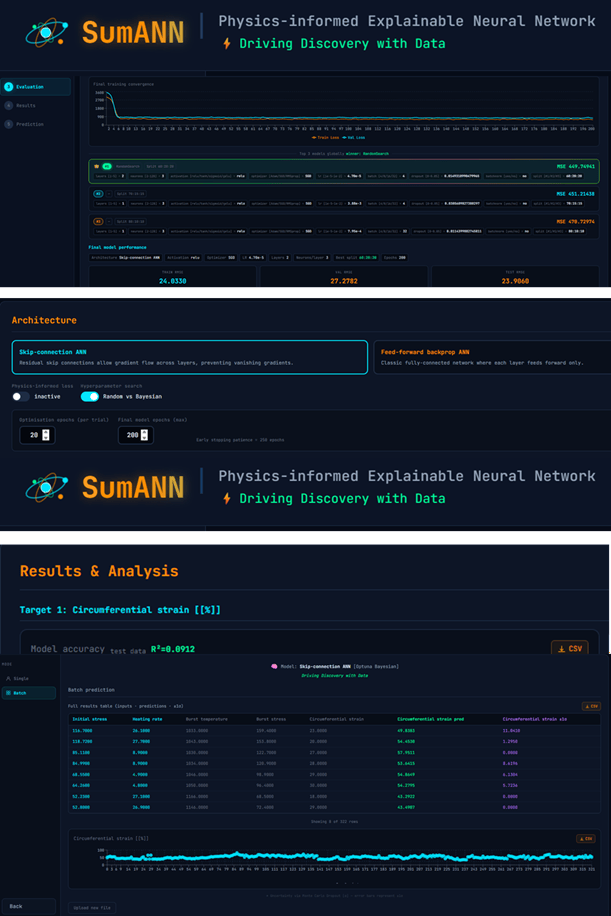
SumANN is a high-fidelity deep neural architecture designed to transform raw, noisy datasets into high-precision predictive parameters. Built with a focus on structural robustness, SumANN serves as a plug-and-play engine for collaborators who require reliable, data-driven foresight without the "black box" instability of traditional models.An explainable deep learning framework for solving forward and inverse problems involving nonlinear partial differential equations.
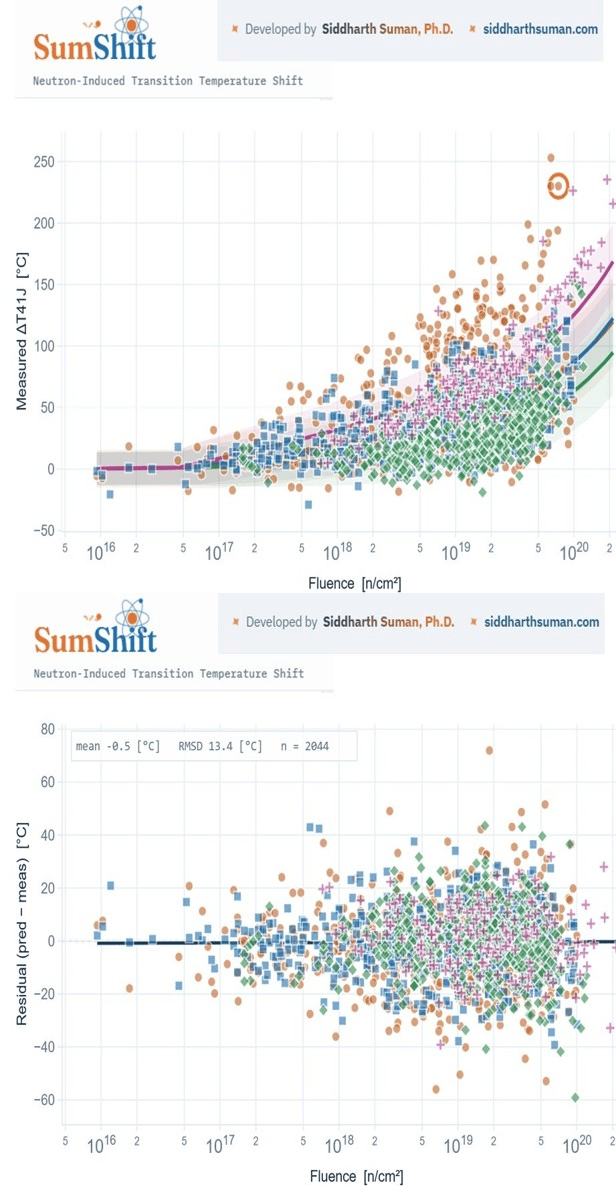
SumShift is a web-based predictive tool designed to support the assessment of radiation-induced embrittlement and transition temperature shift (TTS) in reactor pressure vessel steels. The application brings together neutron irradiation conditions, material and chemistry information, and established embrittlement relationships to provide a practical estimate of the expected TTS and its evolution with irradiation exposure. By presenting the calculations through an accessible web interface, SumShift aims to make reactor vessel embrittlement assessment faster, more transparent, and easier to use for researchers and engineers working on nuclear materials, reactor ageing, and plant life management.
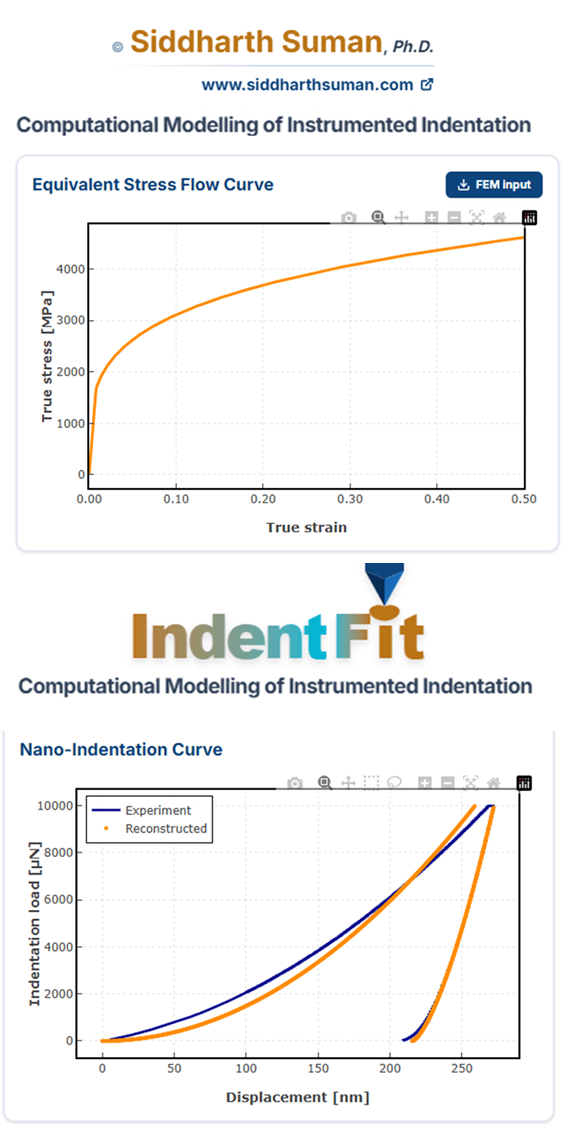
A computational tool for advanced analysis of instrumented indentation data, enabling reliable extraction of elastic–plastic material properties and their direct integration into finite element analysis.
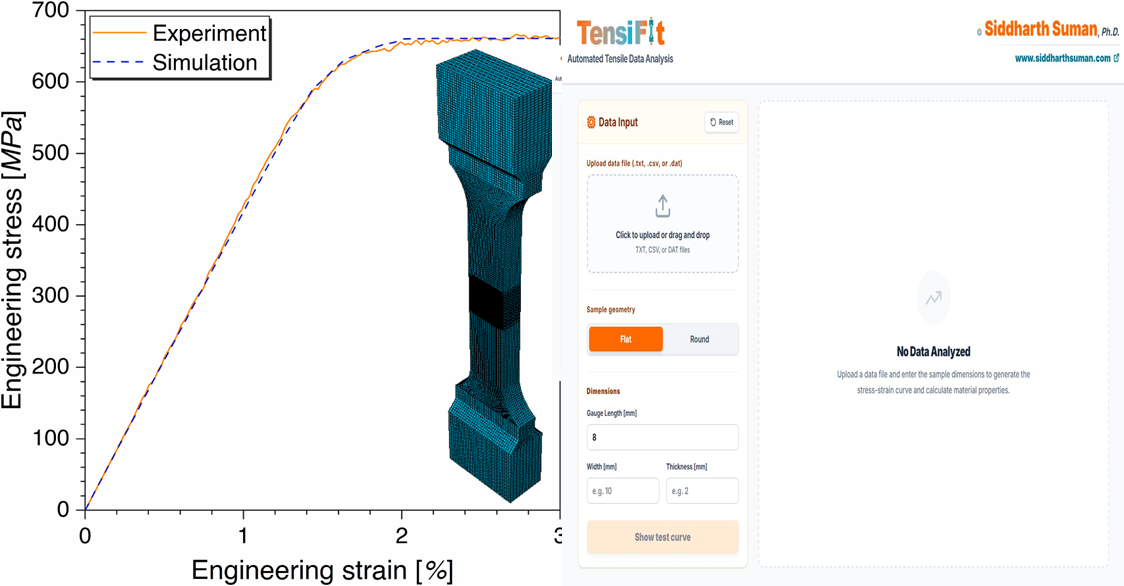
A new computational tool is under development. Stay tuned.
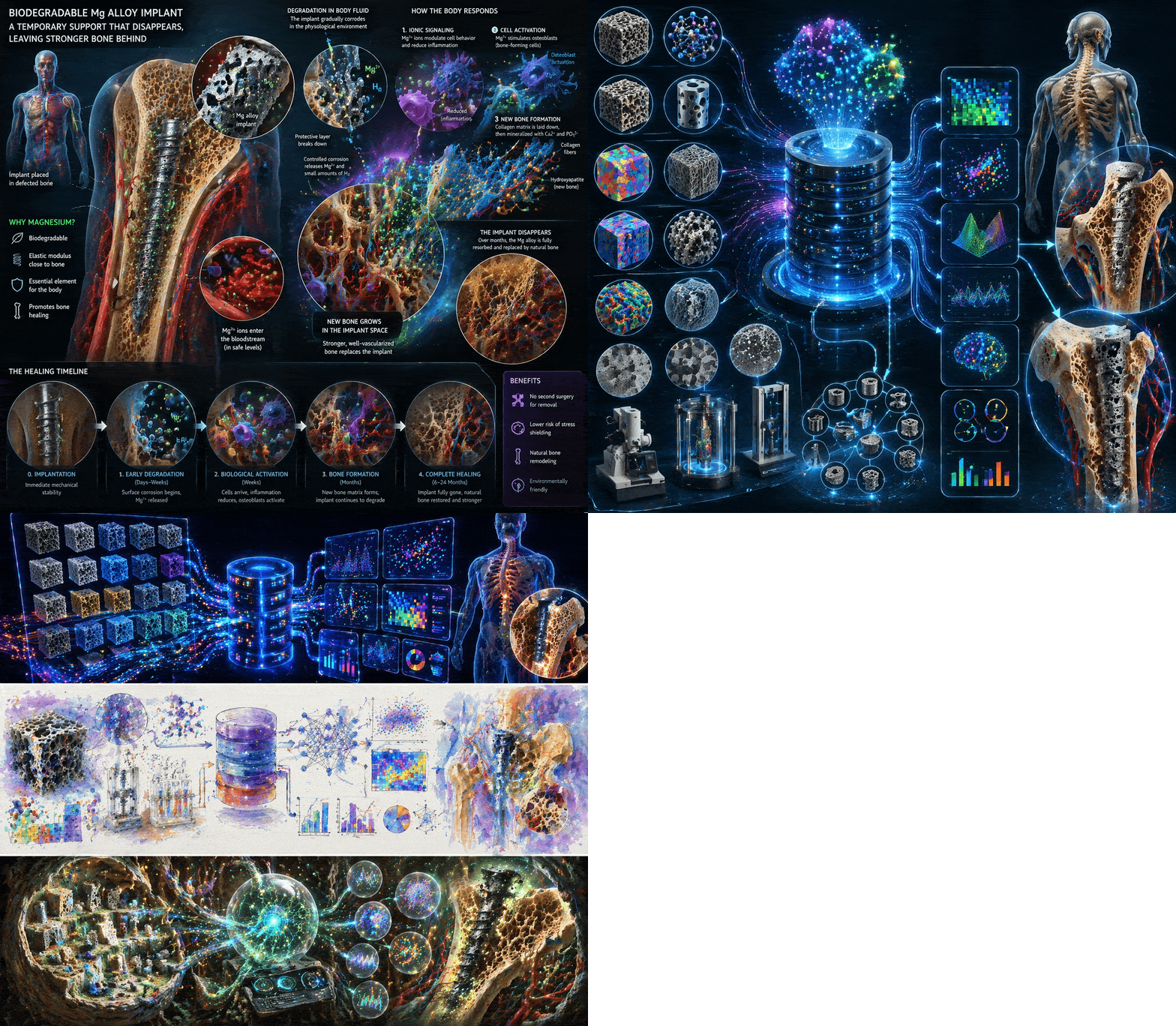
Coming Soon!! a curated database of magnesium alloy properties specifically tailored for biodegradable bone implant applications. It integrates mechanical, corrosion, and biocompatibility data to support reliable material selection and design in orthopedic contexts. The dataset is structured to enable direct use in data-driven modeling, including physics-informed and machine learning frameworks.
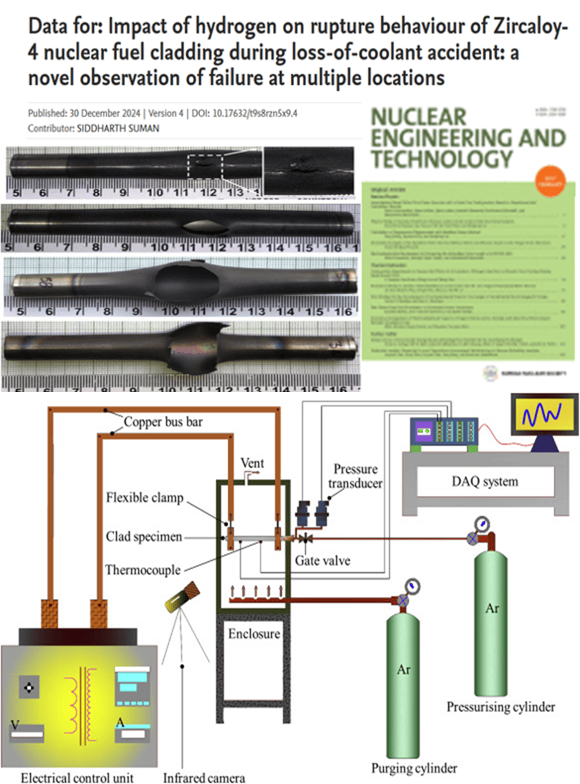
Comprehensive experimental dataset covering burst pressure and burst temperature under postulated LOCA conditions for nuclear fuel safety validation. Contains over 300 data points across hydrogen content ranges relevant to in-service degradation scenarios.
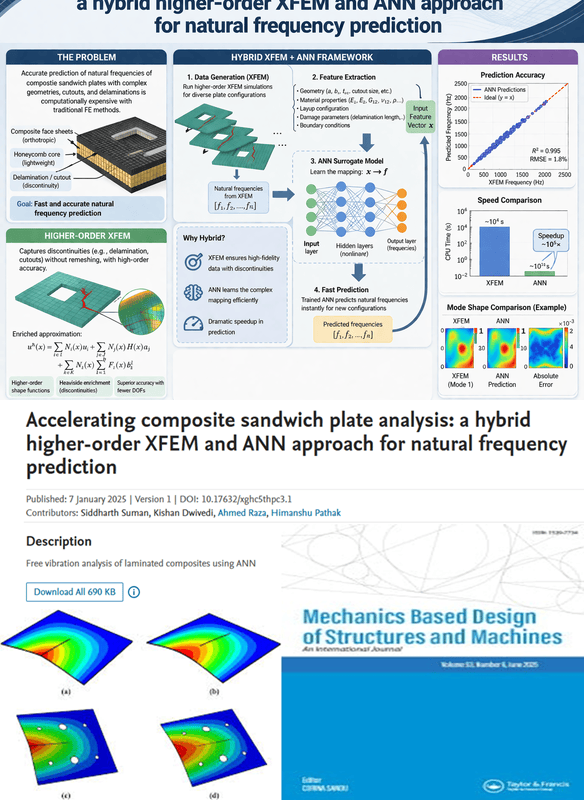
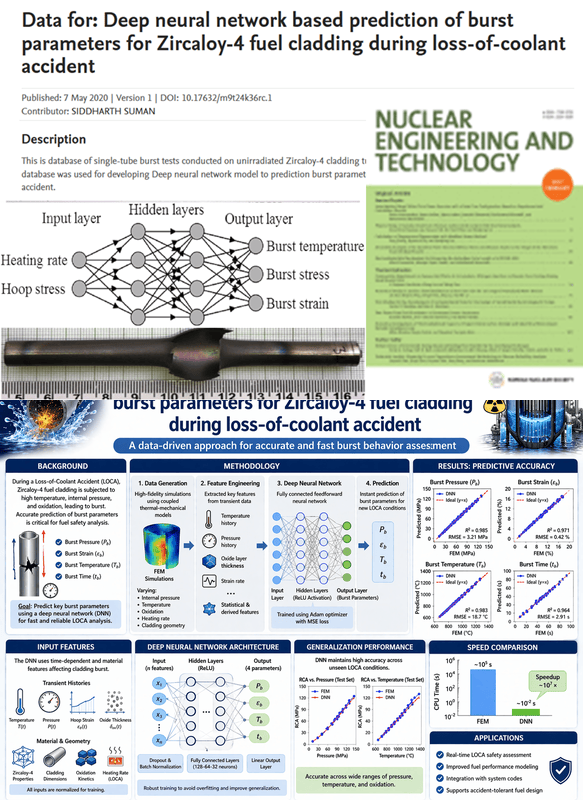
This is database of single-tube burst tests conducted on unirradiated Zircaloy-4 cladding tubes under simulated loss-of-coolant transients. This database was used for developing Deep neural network model to predict burst parameters for Zircaloy-4 fuel cladding during loss-of-coolant accident.
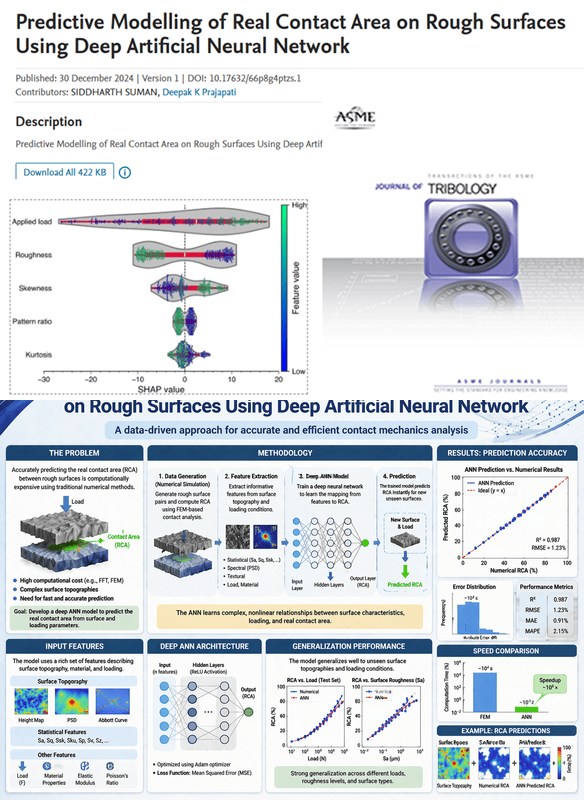
A new open or proprietary dataset is being prepared for release. Stay tuned.
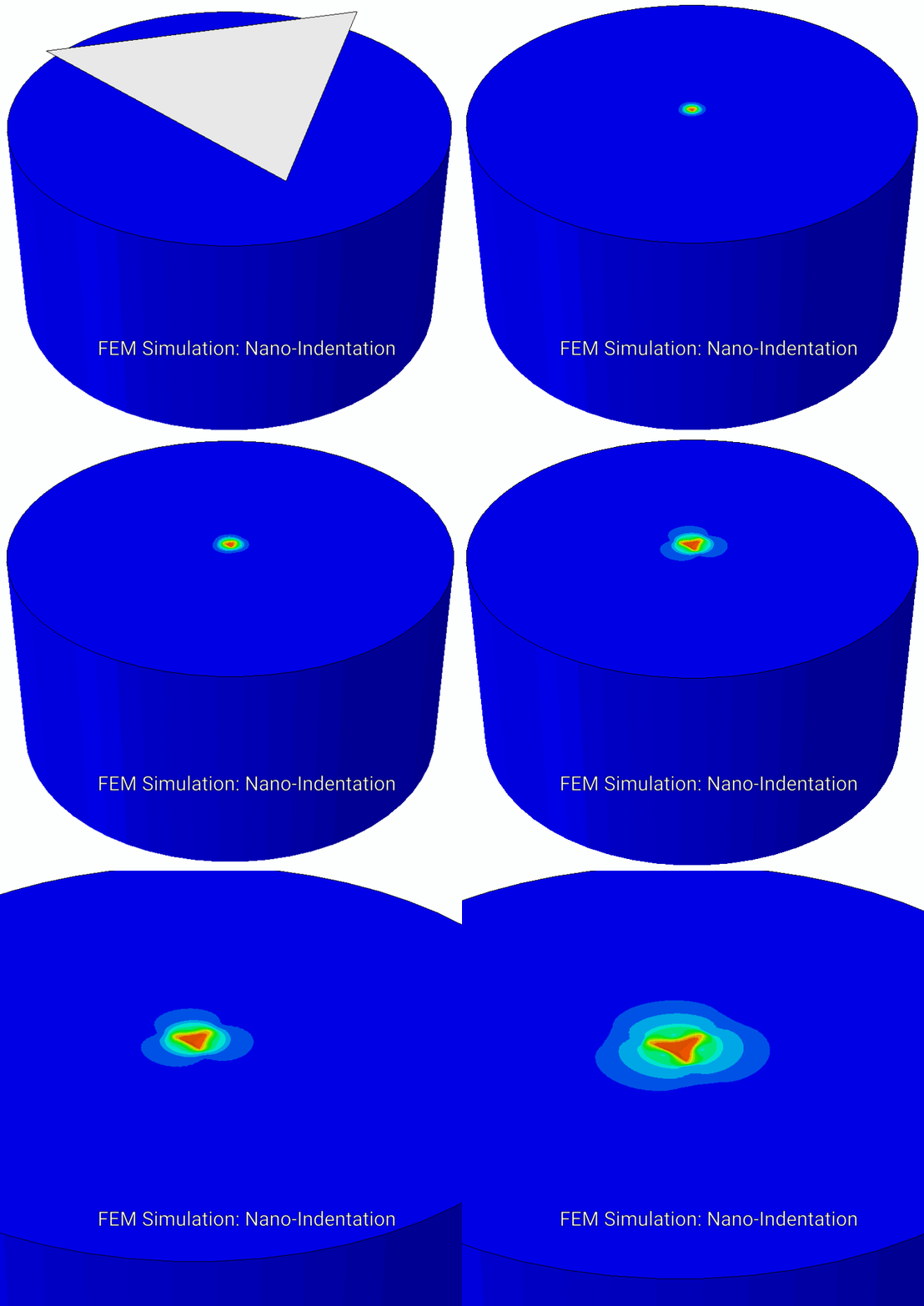
Bridging the gap between theory and simulation, a high-fidelity finite element nanoindentation model developed in Abaqus. It focuses on the numerical implementation of indenter geometries, mesh sensitivity studies, and the extraction of load-displacement curves to validate experimental data.
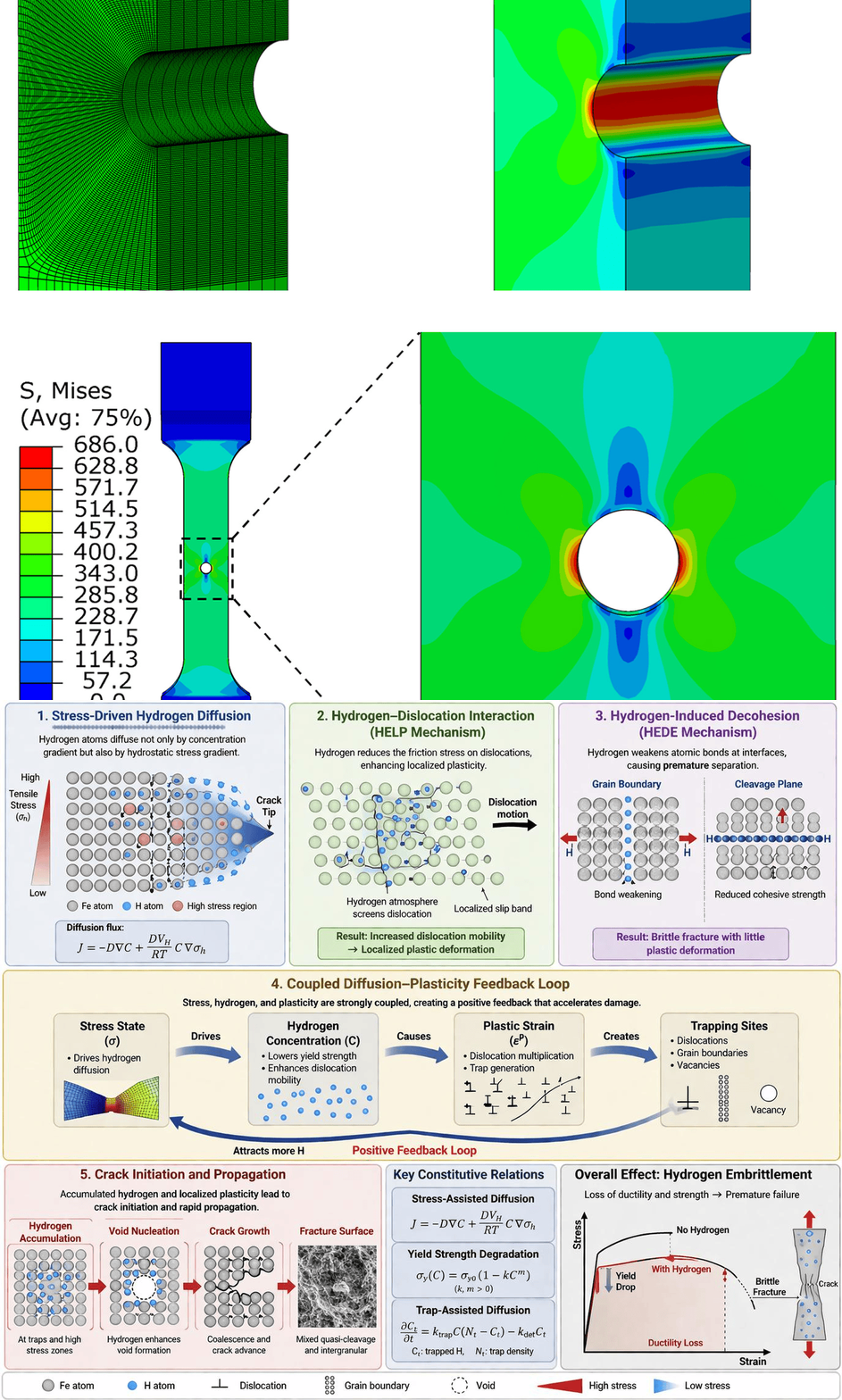
A specialized Abaqus User Subroutine framework designed to simulate the complex interaction between hydrogen diffusion and mechanical plasticity across diverse steel microstructures. From the high-diffusivity environment of ferritic steels to the hydrogen-trapping complexities of austenitic phases, protocol enables high-fidelity modeling of hydrogen-induced degradation.
A new standardised protocol is being documented. Stay tuned.